
The Army’s Public Trials
An Officer and a SpyThis thread traces how courtrooms meant to settle the affair become stages where military authority, legal argument, and public scrutiny collide.
increasing Bearing strength in each event
 decreasing
Bearing strength in each eventdecreasingDreyfus’s Closed Trial
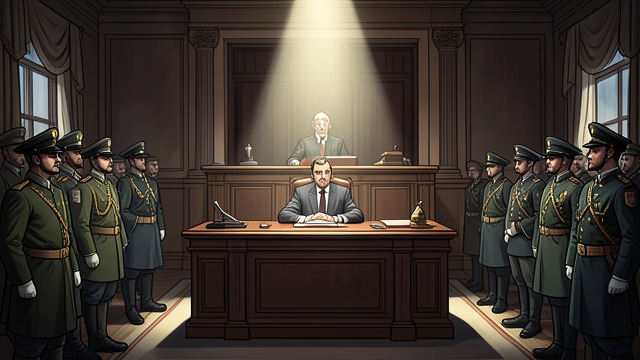
Dreyfus’s Closed Trial
Closed proceedings
The First Permanent Court-Martial of the Military Government of Paris excludes spectators and hears evidence in secret. Alfred Dreyfus’s defense cannot inspect the dossier shown to the judges.
An untested verdict
The court’s decision appears conclusive, but the procedure denies the defense a meaningful chance to challenge the case. The secrecy that protects the verdict also undermines its legitimacy.
Esterhazy’s Acquittal
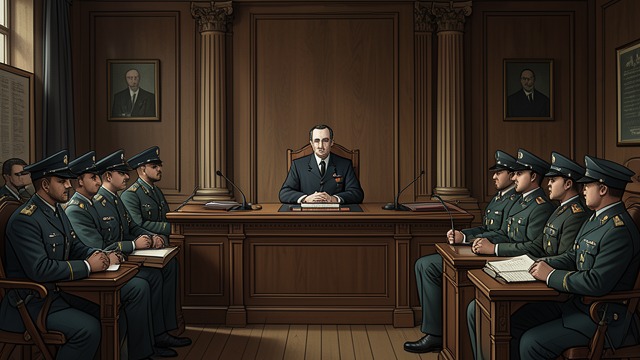
Esterhazy’s Acquittal
The inquiry narrowed
The court-martial proceedings against Charles Ferdinand Walsin Esterhazy exclude civilian scrutiny and conceal military testimony. Georges Picquart becomes the effective defendant.
A predetermined result
Esterhazy is acquitted, and officers celebrate the verdict. The court protects the army’s earlier conclusion rather than testing the evidence impartially.
Zola’s Libel Trial
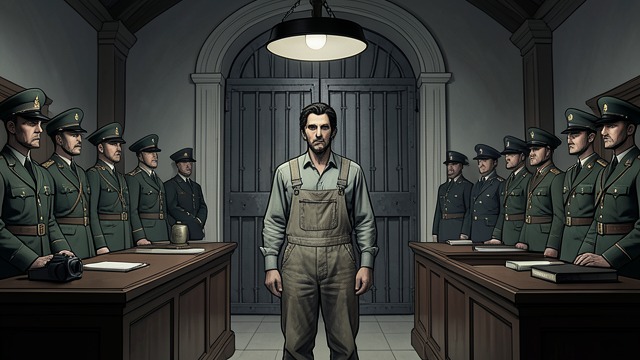
Zola’s Libel Trial
The public hears testimony
Émile Zola’s trial takes place in open court, giving Picquart a platform to describe Esterhazy and the forged evidence. Military officers attend and contest his account.
Exposure and conviction
Zola is convicted, but the proceedings make the affair more widely understood. Legal victory for the government becomes a public-relations defeat.
The Zola Appeal
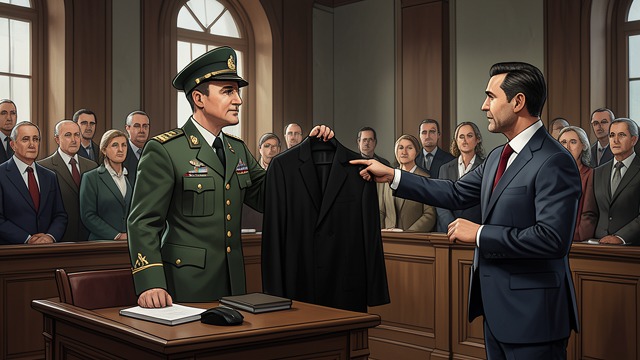
The Zola Appeal
A dramatic interruption
General Pellieux invokes an alleged absolute proof of Dreyfus’s guilt during the trial. Picquart recognizes the document as a forgery and says so publicly.
A witness becomes defendant
The testimony shifts scrutiny from Zola to the military’s evidence and Picquart’s accusation. The courtroom’s formal limits cannot prevent the revelation from changing the controversy.
Rennes Under Pressure
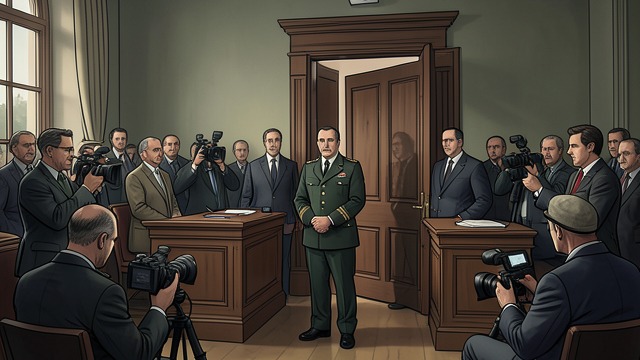
Rennes Under Pressure
A crowded courtroom
The Rennes retrial attracts reporters and observers from across Europe. Despite its public setting, several days of proceedings remain closed while the court examines secret files.
Authority retains control
Fernand Labori’s shooting weakens the defense, and military officials dominate testimony. The public can watch the process but cannot force it to reach a just result.
December 1894
January 1898
February 1898
February 1898
August–September 1899
